

Okay, TIFF dropped the schedule. I went looking for us.
Not only a red-carpet guide. Not only a celebrity-watch list. This is for Black audiences, African Diaspora audiences, film lovers, curious viewers, families, students, filmmakers, and anyone looking for stories that do not always get enough room.
This is Part 1 of a five-part series featuring 21 Black + African Diaspora films with TIFF 2026 screenings. The festival runs from September 10 to 20, 2026, across Toronto venues.
In this first list, I’m walking you through five titles connected to Rwanda, Nigeria, the Central African Republic and Congolese diaspora context, Haiti, and Black American music history.
Use this guide to build your festival list. Check each official TIFF film page before you make plans. Showtimes, ticket access, screening rooms, and venue details can change.
All times below use Eastern Daylight Time (EDT).
1. Ben’Imana

Programme: Centrepiece
Director: Marie-Clémentine Dusabejambo
Context: Rwanda
Content advisory: Themes of violence, sexual violence, bullying, mature themes
On your radar
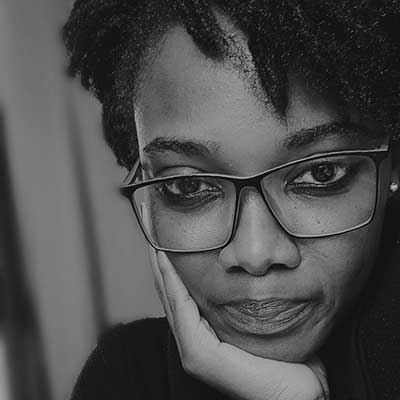
Fact first: Marie-Clémentine Dusabejambo’s feature debut examines forgiveness after the Tutsi genocide in Rwanda.
What stood out to me is that this is not framed as easy healing. TIFF notes that the film draws from women’s accounts and the gacaca courts, the traditional tribunals created to pursue justice, truth, and reconciliation after the genocide. TIFF also describes it as a feminist debut feature with an almost entirely female cast.
That matters if you care about who gets to hold history on screen. Black creators and audiences already know memory is never neutral. Who tells the story changes what gets remembered, what gets softened, and what gets left sitting in the dark.
It also arrives with serious recognition: TIFF identifies Ben’Imana as the winner of the Caméra d’Or at the 2026 Cannes Film Festival.
Go in prepared. This is a film about memory, family loss, trauma, justice, and the complicated question of whether forgiveness is possible after unimaginable harm. Take the content advisory seriously.
Screenings
- Thursday, September 10 , 9:30 a.m.
Scotiabank Theatre Toronto, Press & Market
259 Richmond St W, Toronto, ON M5V 3M6 - Tuesday, September 15 , 6:30 p.m.
Scotiabank Theatre Toronto , tickets - Wednesday, September 16 , 6:55 p.m.
Scotiabank Theatre Toronto , tickets - Saturday, September 19 , 3:30 p.m.
Scotiabank Theatre Toronto , tickets
View the official TIFF page for Ben’Imana.
2. Clarissa
Programme: Special Presentations
Directors: Arie Esiri plus Chuko Esiri
Context: Contemporary Lagos, Nigeria
Cast noted by TIFF: Sophie Okonedo, David Oyelowo
Content advisory: Depictions of suicide, violence

On your radar
Fact first: the Esiri brothers adapt Virginia Woolf’s Mrs Dalloway for contemporary Lagos.
That could have turned into empty prestige bait. It did not catch my attention for that reason. It caught my attention because TIFF notes that the film reframes the novel’s First World War context through Nigeria’s struggle with Boko Haram. That is a real shift in historical centre.
Adaptation is not simple relocation. It can change whose history sits at the centre of a familiar story.
Black creators should pay attention to that move. So should audiences. It shows what happens when a so-called classic gets handled by people who understand that place, conflict, class, and memory are not decorative details.
Sophie Okonedo leads the cast as Clarissa. David Oyelowo plays the older Peter, a writer who reappears in her life. Expect a film working through memory, relationships, war, trauma, and unfinished business, with Lagos doing more than standing in as a backdrop.
Screenings
- Friday, September 11 , 8:45 a.m.
Scotiabank Theatre Toronto, Press & Market - Friday, September 11 , 2:45 p.m.
VISA Screening Room at the Princess of Wales Theatre , tickets
300 King St W, Toronto, ON M5V 1J2 - Saturday, September 12 , 12:00 p.m.
Scotiabank Theatre Toronto , tickets
View the official TIFF page for Clarissa.
3. Congo Boy
Programme: Centrepiece
Director: Rafiki Fariala
Context: Central African Republic / Congolese diaspora

On your radar
Fact first: Congo Boy is a 95-minute feature from director Rafiki Fariala, set in Bangui, Central African Republic.
Here is the part that should make you stop and pay attention. The film follows Robert, a 17-year-old who dreams of a music career while civil war tears through the country. His parents are imprisoned. He is left caring for four younger siblings. That is not a vague festival tease. That is a real story with weight.
And it gets sharper. Fariala grew up as a Congolese refugee in Bangui, which makes this a Central African Republic story with clear Congolese diaspora context, not something you flatten into a generic DRC label because the title says Congo. Words matter. Geography matters. History matters.
The lead actor, Bradley Fiomona Dembeasset, plays Robert and won Best Actor in the Un Certain Regard section at Cannes 2026 for this role. That kind of recognition does not happen by accident.
Black creators should clock what is happening here: a partly autobiographical feature from a filmmaker pulling from displacement, survival, and responsibility, then turning that into a festival film that lands at Cannes and TIFF. That is what it looks like when lived experience gets treated as serious cinema instead of “niche” storytelling.
Production countries listed by Cannes are Central African Republic, France, Democratic Republic of the Congo, and Italy. The story itself is rooted in Bangui. Keep that distinction clear.
Use the official Congo Boy page for updates before you buy a ticket or plan your day.
Screenings
- Thursday, September 10 , 3:20 p.m.
Scotiabank Theatre Toronto - Tuesday, September 15 , 3:10 p.m.
Scotiabank Theatre Toronto - Friday, September 18 , 8:20 p.m.
Scotiabank Theatre Toronto - Sunday, September 20 , 10:15 a.m.
Scotiabank Theatre Toronto
4. Darlene Love: I Know Where I’ve Been
Programme: TIFF Docs
Director: Barry Avrich
Context: Canadian film with Black American music history
Categories listed by TIFF: Documentary, Music, Biography + History, Black + African Diaspora, Canadian, American
On your radar
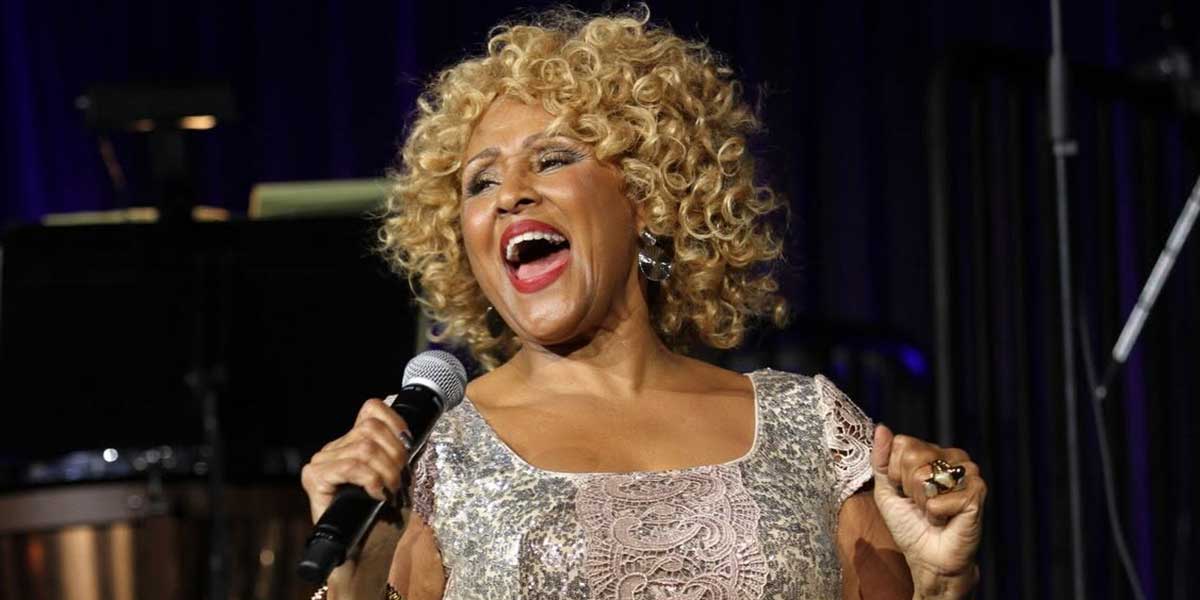
Fact first: this TIFF Docs selection from director Barry Avrich centres Darlene Love, a voice woven through popular music history.
Here is the question sitting underneath this film, and it is bigger than one career: who receives credit, money, visibility, and lasting recognition for the work shaping popular culture?
That is why this title matters. Not because nostalgia is cute. Because Black labour built whole eras of music while other people often collected the spotlight, the cheques, or both.
TIFF describes the film as a portrait of an underappreciated musical icon. It tracks Love’s path from church choir singer to lead vocalist, background vocalist, recording artist, performer, and a figure who should have been centred much earlier. The documentary includes archival material and reflections from Cher, Dionne Warwick, Bruce Springsteen, David Letterman, and others.
Black creators should care because this is the old story and the current story at the same time. If your work moves culture, the next question is whether your name, your ownership, and your pay move with it.
Screenings
- Sunday, September 13 , 10:00 a.m.
Scotiabank Theatre Toronto, Press & Market - Monday, September 14 , 1:00 p.m.
Royal Alexandra Theatre, Premium , tickets
260 King St W, Toronto, ON M5V 1H9 - Tuesday, September 15 , 7:30 p.m.
Scotiabank Theatre Toronto , tickets - Thursday, September 17 , 8:40 a.m.
Scotiabank Theatre Toronto, Press & Market - Saturday, September 19 , 1:45 p.m.
Scotiabank Theatre Toronto , tickets
View the official TIFF page for Darlene Love: I Know Where I’ve Been.
5. Marie Madeleine
Programme: Centrepiece
Director: Géssica Généus
Context: Jacmel, Haiti
Content advisory: Mature themes, sexual content, some violence, homophobic content
On your radar
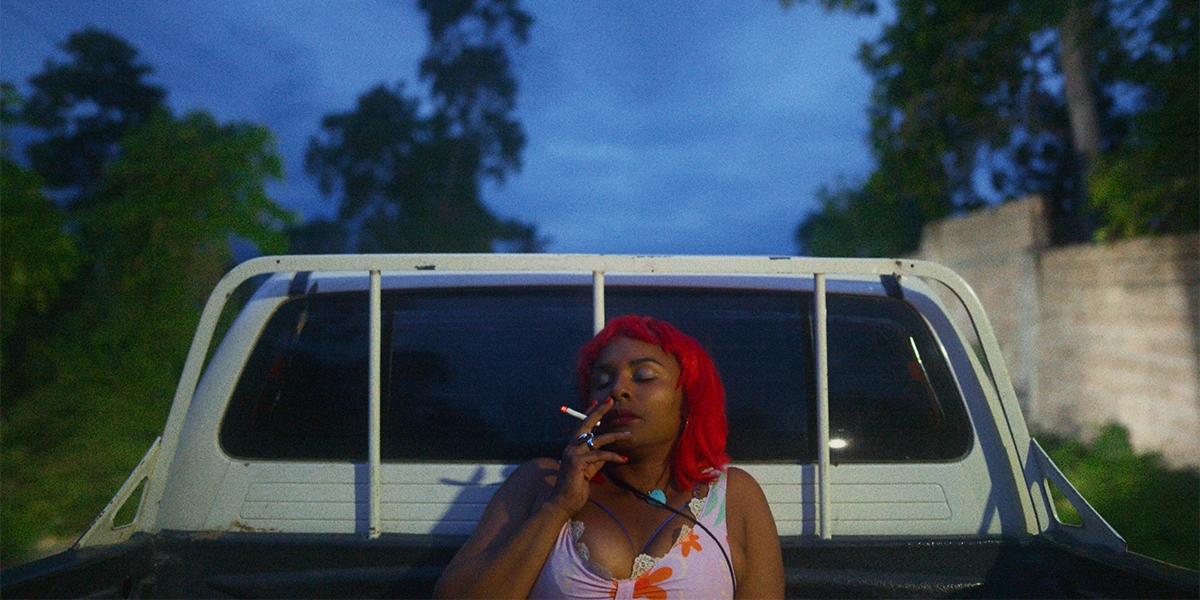
Fact first: Géssica Généus directs and stars in a film, set in Jacmel, Haiti, that draws on the figure of Mary Magdalene.
What makes this one worth your attention is not only the biblical reference. It is the setting, the stakes, and the people at the centre. Marie is a free-spirited sex worker whose encounter with a preacher’s son opens questions around desire, religion, respectability, sexuality, and self-determination.
That is already enough to hold your attention. Then you add the fact that the film places those questions inside everyday Haitian life: street festivals, religious broadcasts, music, dance, poetry, family pressure, and public judgment.
That is the reason to pay attention. Not as a tourism postcard. Not as a flattening tragedy frame. As lived Haitian reality with contradiction, conflict, pleasure, scrutiny, and choice all sitting in the same room.
TIFF identifies the film as Caribbean, Black + African Diaspora, drama, and directed by a woman.
If you watched Généus’s Freda, you already know why this belongs on your list. If you did not, this is a strong place to start with a Haitian filmmaker whose work gives people the complexity they are too often denied.
Screenings
- Friday, September 11 , 6:30 p.m.
Scotiabank Theatre Toronto, Press & Market - Tuesday, September 15 , 10:00 p.m.
TIFF Lightbox , tickets
350 King St W, Toronto, ON M5V 3X5 - Wednesday, September 16 , 3:30 p.m.
Scotiabank Theatre Toronto , tickets - Sunday, September 20 , 7:25 p.m.
Scotiabank Theatre Toronto , tickets
View the official TIFF page for Marie Madeleine.
Plan your TIFF
Start with the official TIFF 2026 schedule planner.
Save the films you want to see. Check travel time between Scotiabank Theatre Toronto, the Princess of Wales Theatre, Royal Alexandra Theatre, and TIFF Lightbox. Leave room for lineups, food, accessibility needs, rest, and the possibility that your day will not run perfectly.
If you are travelling from Vancouver, Montreal, Halifax, Calgary, Edmonton, or another Canadian city, confirm venue details before you book transportation. A 10:00 p.m. screening requires a different plan from a 10:00 a.m. screening. Obvious? Yes. Still worth saying.
Review each official TIFF film page before you go. Ticket availability, showtimes, screening rooms, and access details can change.
Okay, It’s Your Turn
Which film are you watching first: Ben’Imana, Clarissa, Congo Boy, Darlene Love: I Know Where I’ve Been, or Marie Madeleine?
Name your first pick in the comments, then add one more Black or African Diaspora title on your TIFF 2026 list.
We keep showing up so more of us can show up prepared. Not underpaid.
Subscribe to our newsletter!
Sources
- TIFF : Ben’Imana
- TIFF : Clarissa
- TIFF : Congo Boy
- Festival de Cannes : Congo Boy
- Festival de Cannes 2026 Palmarès / Retrospective
- TIFF : Darlene Love: I Know Where I’ve Been
- TIFF : Marie Madeleine
- TIFF 2026 Schedule Planner


Author

Want more like this? Get BCC stories, drops, and opportunities straight to your inbox.
Leave a Reply